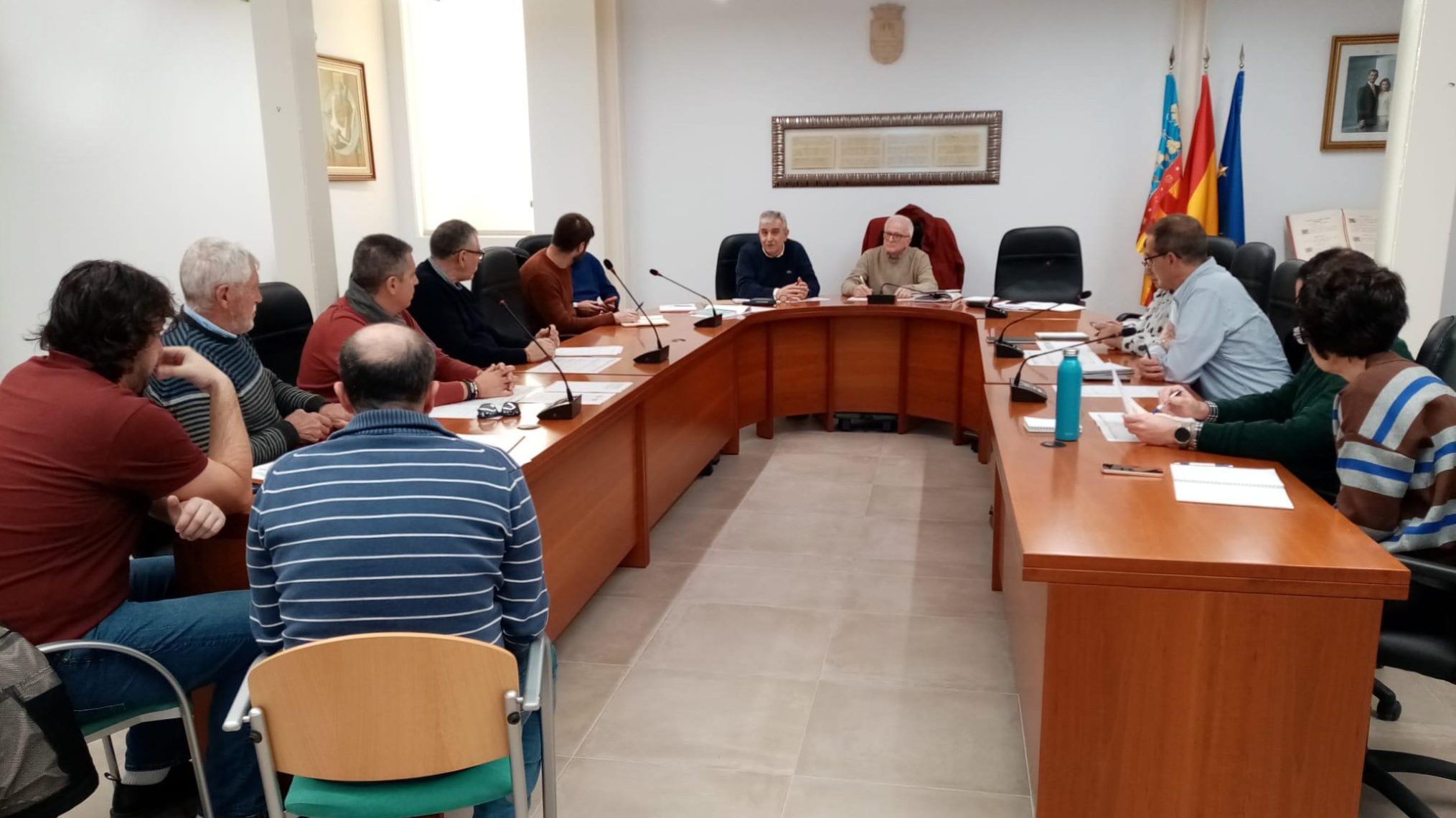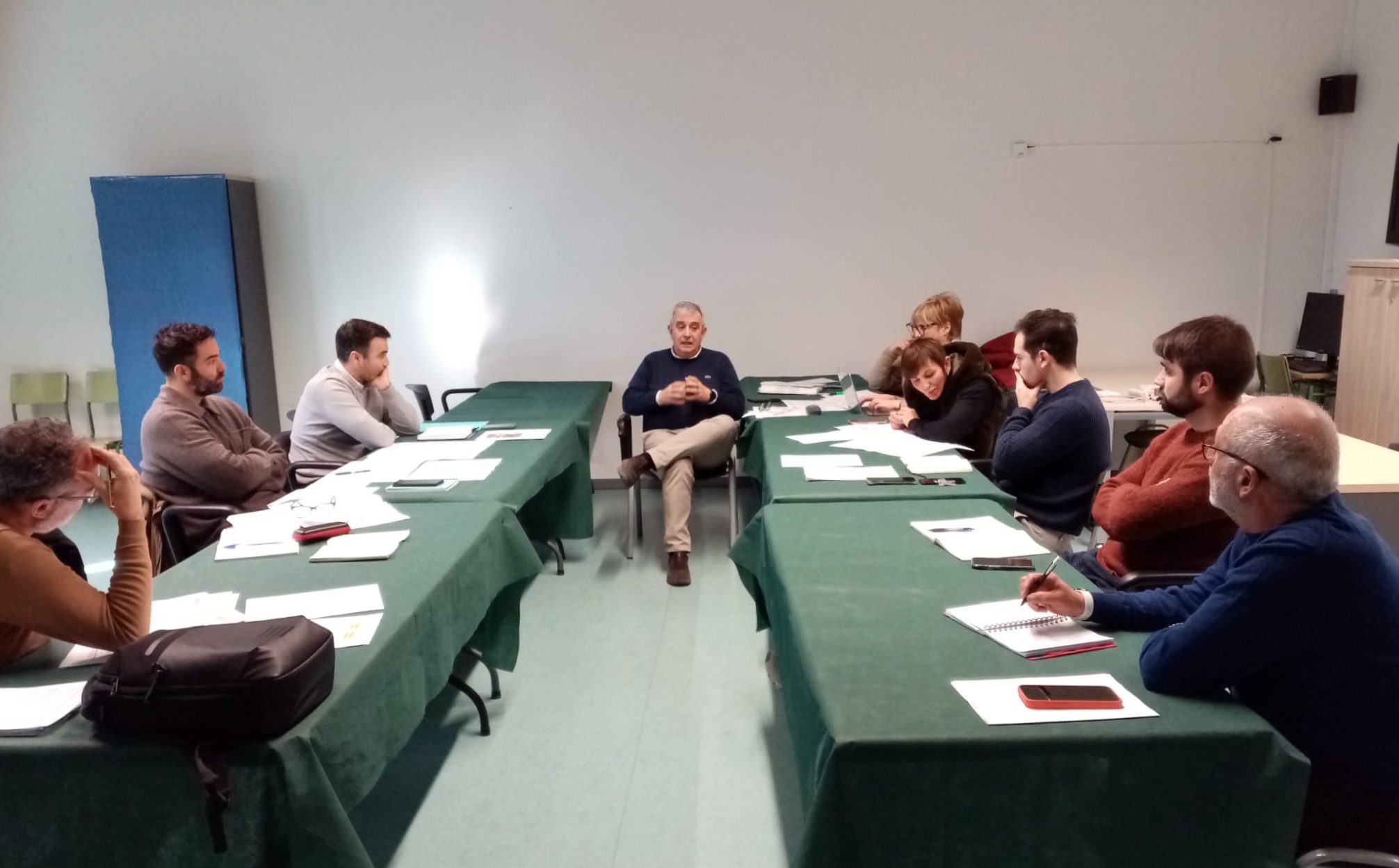
The councils of eight municipalities affected by the DANA on 29 October 2024, together with the Mancomunitat de la Ribera Alta, are working on the Urban Reconstruction Agenda. Over the last few months, two areas of work have been established. Functional Area 01 covers Montroi, Montserrat, Real and Turís, while Functional Area 02 includes l’Alcúdia, Alfarb, Benifaió and Llombai.
The Urban Reconstruction Agenda (AUR) is a strategic tool to guide recovery after the effects of the DANA. Its development is part of the methodology of the Spanish Urban Agenda (AUE), reinforcing the principles of sustainability, resilience and local governance. The AUR is also aligned with the Local Integrated Development Strategy (EDIL) for Reconstruction, with the aim of positioning the functional areas and municipalities to compete for future European funds, such as the ERDF.
The Integrated Action Plan of the Reconstruction Agendas for the two areas will be submitted to the EDIL Plan Call specifically for municipalities affected by the DANA. Each functional area is applying for a grant of €6 million, which represents 95% of the cost of the actions planned to be carried out before 30 December 2029.
With the slogan ‘Magre, un riu d’oportunitats’, the Urban Reconstruction Agenda project will transform the effects of the DANA into an opportunity to strengthen the commitment to sustainability, adaptation to climate change and improvement of territorial resilience. To achieve this, a comprehensive strategy has been developed that responds both to the immediate challenges arising from the DANA and to the structural challenges facing the municipalities.
The Urban Reconstruction Agenda initiative is part of the state aid plan for municipalities affected by the disaster, managed by the Ministry of Housing and Urban Agenda (MIVAU). This methodology is aligned with major international commitments on sustainability and urban development, particularly the 2030 Agenda. In the urban sphere, SDG 11 is key: it proposes building inclusive, safe, resilient and sustainable cities.
The aim is to assess the damage, define a roadmap and establish measures that contribute to prevention and adaptation in the face of future emergencies. The initiative will focus much of its efforts on the areas most affected by the storm, with a view to improving territorial resilience, quality of life and the sustainability of the urban environment.
The project is structured in four phases: diagnosis, strategy, action plan and monitoring. The main areas of work include urban regeneration, sustainable water management, flood risk reduction and housing improvement.
Citizen participation is one of the fundamental pillars of this process. Through the website manraagendaurbana.com, citizens have been able to access all the information and take part in the workshops. Neighbourhood associations, young people, children, teenagers, women, the elderly and shopkeepers have been invited to contribute ideas and proposals to build a fairer and better prepared city model.
During the action plan development phase, the municipalities hosted a series of meetings and citizen participation workshops, attended by political representatives and municipal technicians. The activities used a participatory methodology based on co-creation, through which a shared analysis of the strategic objectives of the Spanish Urban Agenda was carried out. The public response has been very positive, helping to generate knowledge, interest and commitment to the project.
In total, Functional Area 01 has a population of 24,068 inhabitants, distributed among Montroi (3,792), Montserrat (10,062), Real (2,497) and Turís (7,717). Functional Area 02 has 29,403 inhabitants, distributed among l’Alcúdia (12,587), Alfarb (1,763), Benifaió (12,262) and Llombai (2,791).